






Tel Aviv, Israel, March 18th, 2026, PlayNewswire
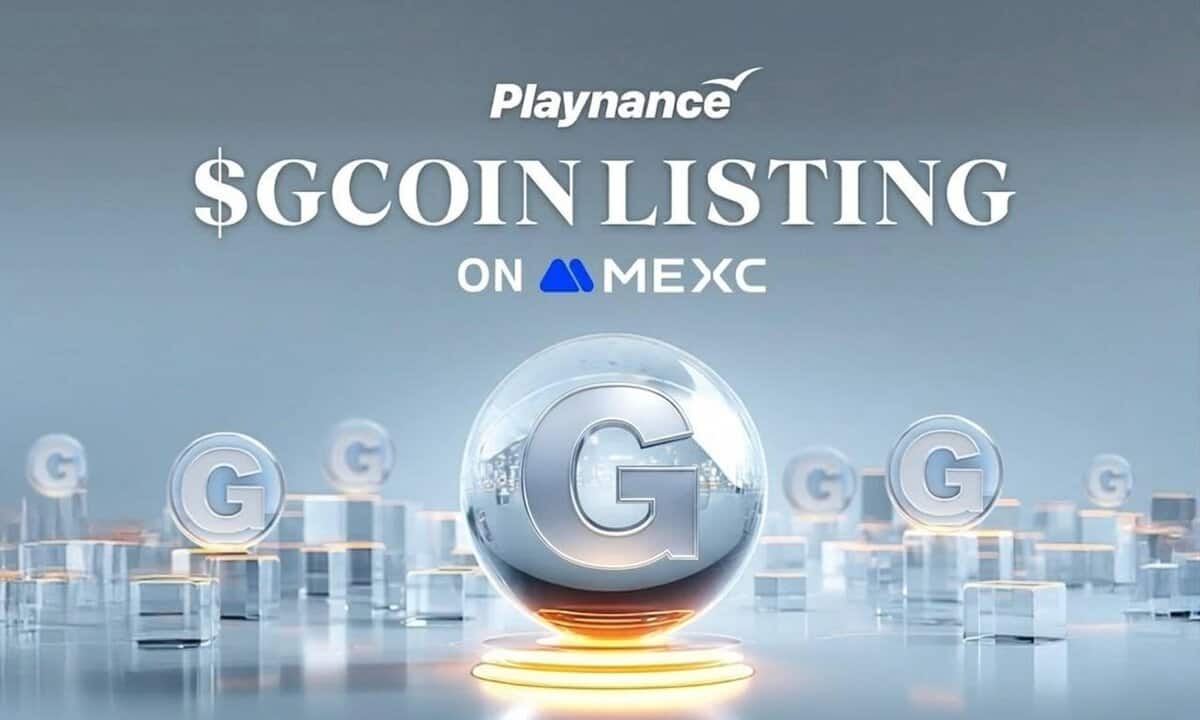
Today, Playnance has officially launched GCOIN trading, marking a significant milestone in the expansion of its Web3 entertainment ecosystem. The token is now live on MEXC, with GCOIN/USDT trading opening on March 18, 2026 at 13:00 UTC following the project’s Token Generation Event earlier the same day.
The listing introduces GCOIN to the open market, unlocking broader access to the Playnance ecosystem and opening the door to a potentially enormous global user base. The launch follows strong early momentum, including high participation in MEXC’s Kickstarter campaign, where users competed for a share of a 50,000 USDT airdrop.
Ahead of the Token Generation Event, the GCOIN community demonstrated strong demand, with over 1 billion GCOIN locked in staking within hours of the staking program going live.
As the Exosystem’s native token, GCOIN powers transactions, rewards, and participation across a rapidly growing Web3 entertainment network. Beyond adoption metrics, GCOIN is designed to bridge Web2 and Web3 by offering seamless, Web2-like on-chain experiences that lower the barrier to entry for mainstream users. This approach is already enabling Playnance to onboard large volumes of new users, converting them into active participants within the ecosystem. The ecosystem already includes over 300,000 GCOIN holders, reflecting strong early adoption and continued expansion at scale.
The exchange debut represents a major step forward in accessibility, allowing global users to engage with the ecosystem through a liquid and scalable market environment. Deposits for GCOIN are already open on MEXC, with withdrawals scheduled to begin on March 19, providing users with full flexibility to trade and manage their holdings.
“Today marks a defining moment for Playnance,” said Pini Peter, CEO of Playnance. “We identified early the opportunity to bring real scale into Web3 entertainment, and we’re building one of the leading ecosystems to support it. With GCOIN now live, we’re opening the door to what comes next – a new wave of users, new models, and a much larger shift in how entertainment moves on-chain. This is just the beginning.”
Playnance has built its token model around ecosystem-driven rewards, linking value distribution directly to platform activity rather than relying on fixed emissions. The platform already supports more than 10,000 on-chain games and processes over 2 million on-chain transactions daily, reflecting strong user engagement and growing adoption across its network.
With GCOIN now live, Playnance is entering a new phase focused on accelerating growth, expanding its global reach, and driving deeper participation across its Web3 entertainment ecosystem.
About Playnance
Founded in 2020, Playnance is a Web3 infrastructure company developing live, non-custodial, on-chain products designed to onboard mainstream Web2 users into blockchain environments. The company develops consumer-facing platforms built on shared wallet systems and high-volume on-chain execution, currently processing approximately 2 million transactions per day. Playnance focuses on reducing friction between user experience and blockchain infrastructure by abstracting complexity while maintaining full on-chain transparency and non-custodial architecture.