






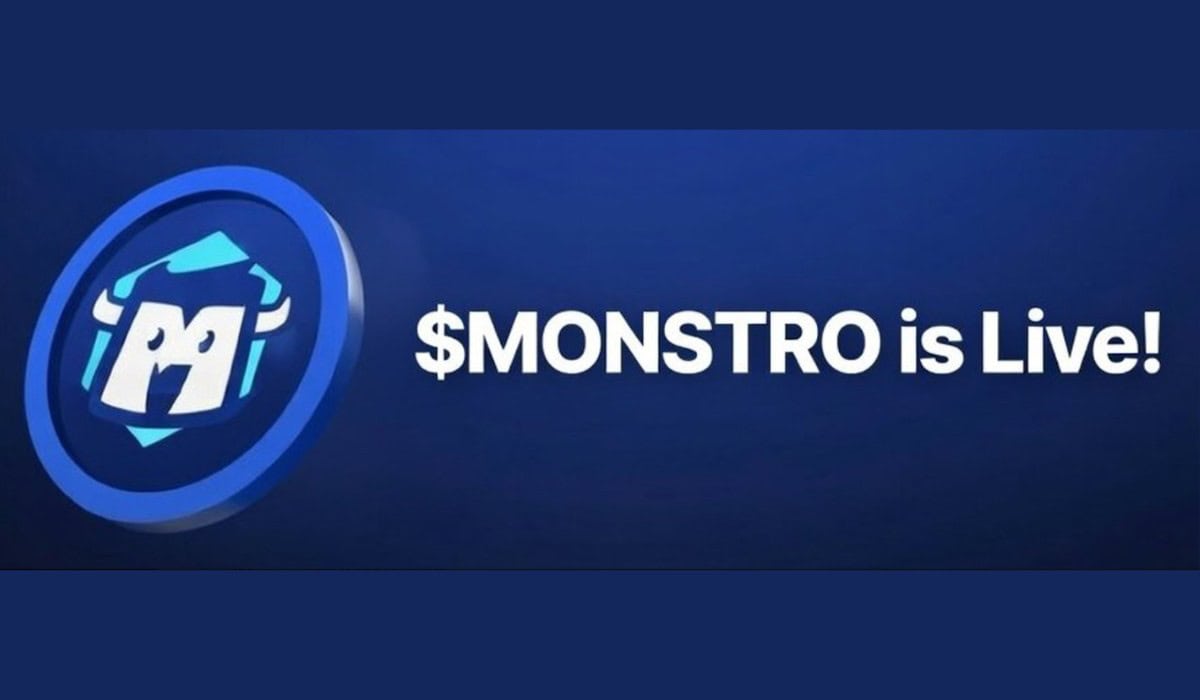
As the cryptocurrency market continues to mature, projects that combine transparency, security, and strategic growth are gaining the attention of retail investors. Monstro ($MONSTRO) is emerging as one such project, rebuilding stronger while expanding its ecosystem through new exchange listings, improved liquidity infrastructure, and enhanced security measures.
The project has recently achieved several key milestones aimed at increasing accessibility and market participation. One of the most notable developments is Monstro’s listing on AscendEX, a well-known cryptocurrency exchange that provides access to global traders. The listing represents a significant step toward expanding Monstro’s reach and attracting new participants to the ecosystem.
Alongside this milestone, Monstro has also gone live on ApeBond, further strengthening its presence within the decentralized finance (DeFi) landscape. This integration helps improve market exposure while enabling additional liquidity opportunities for the token.
The expansion continues with Monstro is now live and trading on GroveX, allowing traders to access the token on another exchange and further increasing market accessibility. These listings form part of Monstro’s broader strategy to strengthen accessibility while increasing retail participation.
Improving Liquidity and Market Efficiency
Beyond exchange listings, the Monstro team has implemented several liquidity improvements designed to create healthier market dynamics.
A portion of the project’s liquidity has been rebalanced into the MONSTRO/WETH trading pair, a move intended to improve arbitrage flow and price efficiency across different markets. This adjustment helps maintain smoother trading activity while supporting consistent liquidity for both buyers and sellers.
In addition, Monstro has been successfully whitelisted on Aerodrome, where its liquidity pool has already been tagged with “Emerging” status. This recognition highlights growing traction for the project within the DeFi ecosystem.
These steps reflect Monstro’s core objective: building sustainable trading activity while supporting stronger buy pressure for the token.
Strengthening Security and Governance
Security and transparency remain key pillars of the project’s development strategy.
To further strengthen governance, the project has implemented a DAO-based multisig structure, with Moonbagz and all EVM tokens transferred into secured custody. A dedicated multisig wallet has also been established for Monstro Labs operations, providing an additional layer of operational security.
The project’s documentation has also been updated to include both the DAO Charter and the FIBL framework, outlining governance guidelines and the long-term operational structure of the ecosystem.
Expanding Community Engagement
Monstro is also increasing its presence within the broader crypto community.
The team has confirmed guest appearances on multiple upcoming X Spaces, where they will discuss project developments, market strategies, and future plans with the community.
In parallel, marketing test campaigns are set to begin alongside upcoming exchange listings, helping introduce the project to new audiences and expand retail awareness.
These initiatives aim to strengthen community engagement while supporting long-term ecosystem growth.
Looking Ahead
With multiple exchange listings, stronger liquidity infrastructure, improved governance systems, and an expanding community presence, Monstro is entering a new phase of growth focused on user acquisition and increased market participation.
The team has also announced its first product, Based Loans, a lending model inspired by traditional pawn shops but redesigned for crypto users.
Borrowers deposit tokens as collateral and receive a USDC loan for a fixed term. Before expiration, borrowers can buy back any portion of their collateral at any time at a fixed price that includes a premium.
At expiration, any remaining collateral is forfeited and transferred to lenders.
This model creates a clear and predictable lending structure where outcomes are defined upfront, eliminating liquidations, margin calls, and forced selling of collateral.
More details about the product can be found here:
https://docs.based.loans/
About Monstro
Monstro is a Web3 project focused on building a transparent, community-driven ecosystem designed to support sustainable growth and strong market participation. Through strategic exchange listings, improved liquidity infrastructure, and security-focused governance, Monstro aims to create a secure and scalable environment for users and investors while expanding its presence within the decentralized finance (DeFi) ecosystem.
Contact Details
Website:https://monstrodefi.com/
Twitter:https://x.com/MonstroDefi