


WEB3 UPDATES — YOUR #1 SOURCE FOR BLOCKCHAIN & CRYPTO NEWS

  • MARKETCAP
Web3 Updates logo Web3 updates logo in dark
  • News
    • Altcoin
    • Bitcoin
    • Blockchain
    • Crypto
    • DeFi
    • Ethereum
    • Mining
    • NFT
  • Crypto 101
    • Explained
    • Guest Post
  • Industry Talks
    • Interview
    • Press Release
  • About
  • Contact
Reading: New Web3 Game Secures $X Million Funding – What It Means for GameFi in 2026
Share
  • bitcoinBitcoin(BTC)$72,784.00
  • ethereumEthereum(ETH)$2,234.72
  • tetherTether(USDT)$1.00
  • rippleXRP(XRP)$1.35
  • binancecoinBNB(BNB)$606.20
  • usd-coinUSDC(USDC)$1.00
  • solanaSolana(SOL)$84.21
  • tronTRON(TRX)$0.318953
  • Figure HelocFigure Heloc(FIGR_HELOC)$1.02
  • dogecoinDogecoin(DOGE)$0.092806
Font ResizerAa
  • Home
  • Crypto
  • Tokens
  • News
  • Blockchain
  • Contact
Search
  • Demos
    • Home 1
  • Categories
    • News
    • Tokens
    • Crypto
    • Coinbase
    • Mining
    • Stocks
  • Bookmarks
    • Customize Interests
  • More Foxiz
    • Blog Index
    • Sitemap
Have an existing account? Sign In
Follow US
© Foxiz News Network. Ruby Design Company. All Rights Reserved.
Crypto 101Web3

New Web3 Game Secures $X Million Funding – What It Means for GameFi in 2026

bigshowisback0@gmail.com
Last updated: April 9, 2026 10:26 am
bigshowisback0@gmail.com
Published: April 9, 2026
Share
New Web3 Game Secures $X Million Funding – What It Means for GameFi in 2026

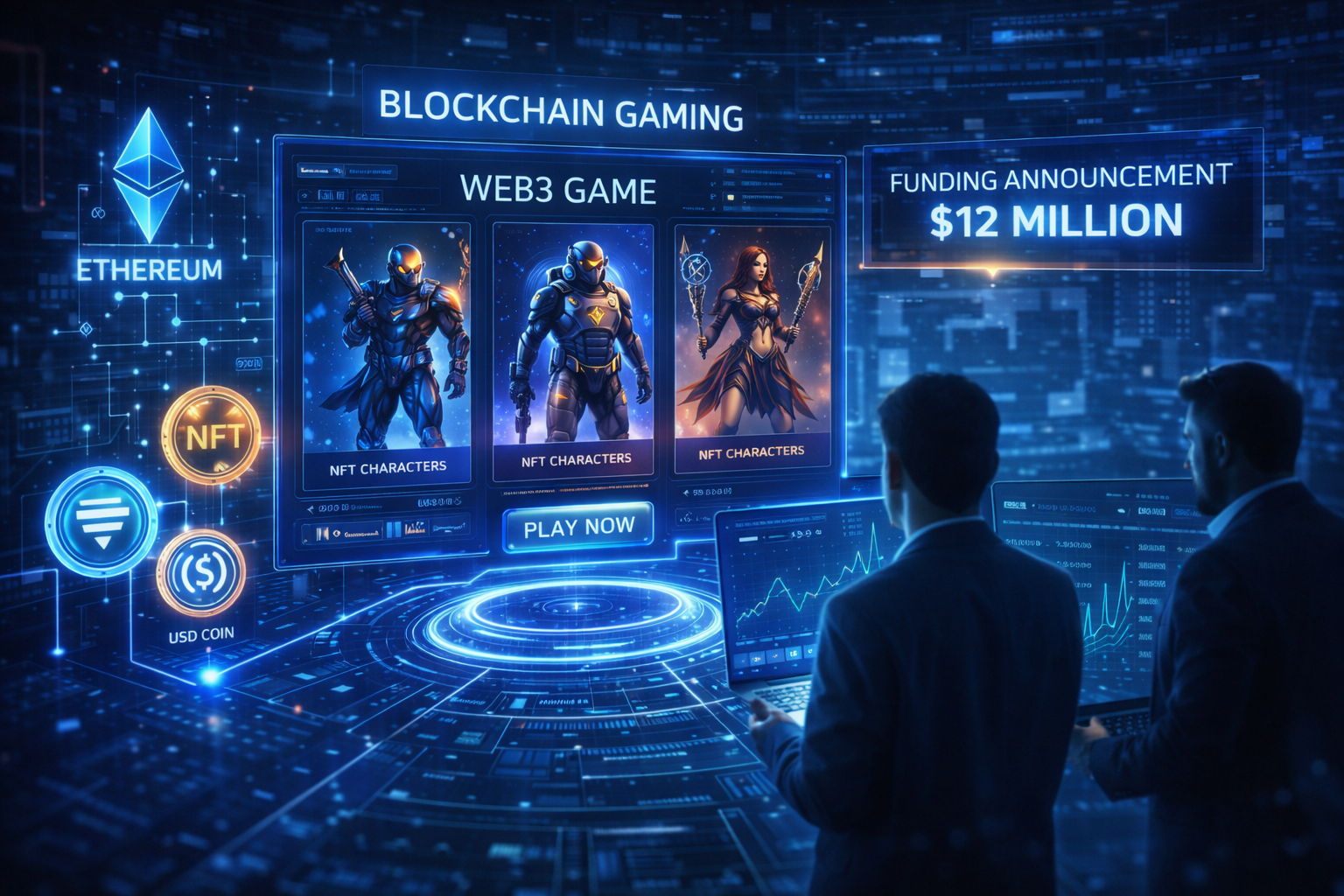
The Web3 gaming sector is heating up again—and a new blockchain game raising $X million signals that investor confidence in GameFi is far from dead. Despite volatility in crypto markets, funding continues to flow into projects that combine AAA-quality gameplay with tokenized economies.

Contents
  • Executive Summary
  • Funding Breakdown & Valuation Scenarios
    • 1. Seed Round (~$5M)
    • 2. Series A (~$20M)
    • 3. Large Raise (~$100M)
  • Who Are the Likely Investors?
  • Game Concept & Mechanics
    • Core Features:
    • Likely Genre:
  • Tokenomics Deep Dive
    • Example Allocation Model:
    • Key Principles:
  • Roadmap & Development Timeline
    • 2026
    • 2027
  • Market Comparisons
  • User Growth & Adoption Potential
  • Risks & Challenges
    • 1. Regulatory Risks
    • 2. Security Risks
    • 3. Sustainability Issues
  • Monetization Strategy
  • Future Outlook
  • Final Thoughts

In this deep-dive, we break down everything: funding structure, investors, tokenomics, gameplay model, market context, risks, and future potential—optimized for both SEO ranking and real strategic insight.

Executive Summary

A newly announced blockchain game has secured $X million in funding, placing it among a growing list of GameFi projects attracting serious capital.

Key takeaways:

  • Funding likely ranges between $5M–$100M scenarios
  • Focus on play-to-earn + NFT ownership + scalable gameplay
  • Backed by crypto VCs, gaming studios, and strategic partners
  • Strong emphasis on tokenomics, community growth, and long-term sustainability

Funding Breakdown & Valuation Scenarios
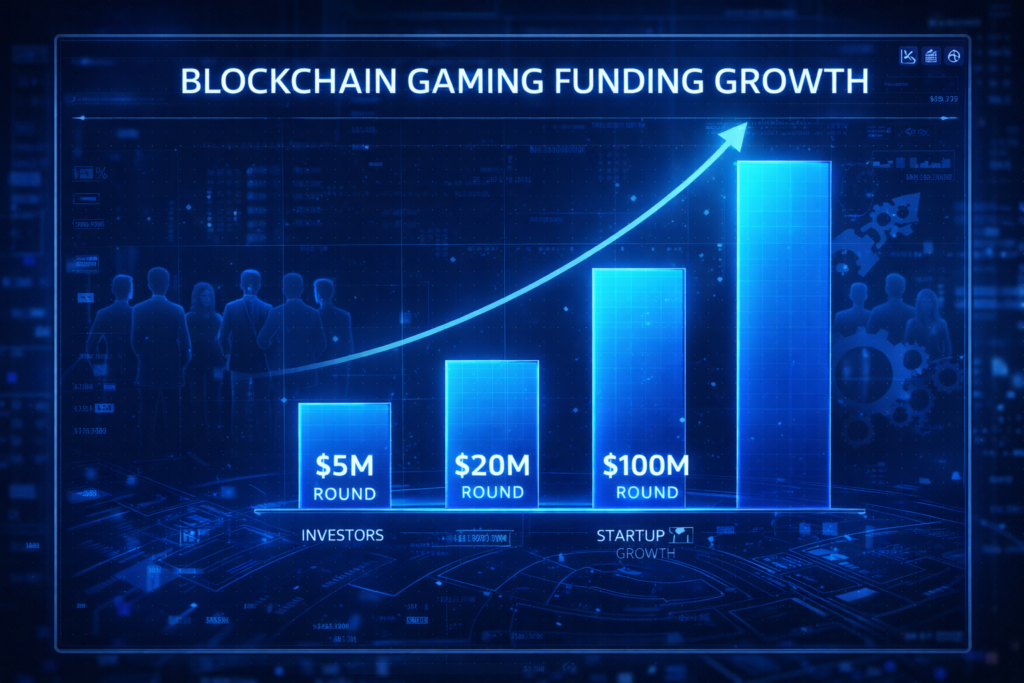
Since the exact number ($X) is undisclosed, we analyze realistic funding tiers:

1. Seed Round (~$5M)

  • Valuation: ~$25M
  • Focus: MVP, early community, hiring
  • Risk: High, but high upside

2. Series A (~$20M)

  • Valuation: ~$100M
  • Focus: Full game development, audits, marketing
  • Balanced growth stage

3. Large Raise (~$100M)

  • Valuation: ~$500M+
  • Focus: Ecosystem expansion, multi-game universe
  • High expectations from investors

According to industry insights , similar projects like Azra Games and Horizon have raised between $30M–$40M, indicating strong investor appetite for quality Web3 gaming ventures.

Who Are the Likely Investors?

Blockchain gaming rounds typically include a mix of:

  • Crypto VCs – Pantera, a16z, Polychain
  • Gaming Giants – Ubisoft, Netmarble, Tencent
  • Blockchain Ecosystems – Polygon, Avalanche
  • Gaming Guilds – Yield Guild Games (YGG)

These investors usually demand:

  • Pro-rata rights
  • Token allocation with vesting
  • Strategic influence (board seats or advisory roles)

Game Concept & Mechanics
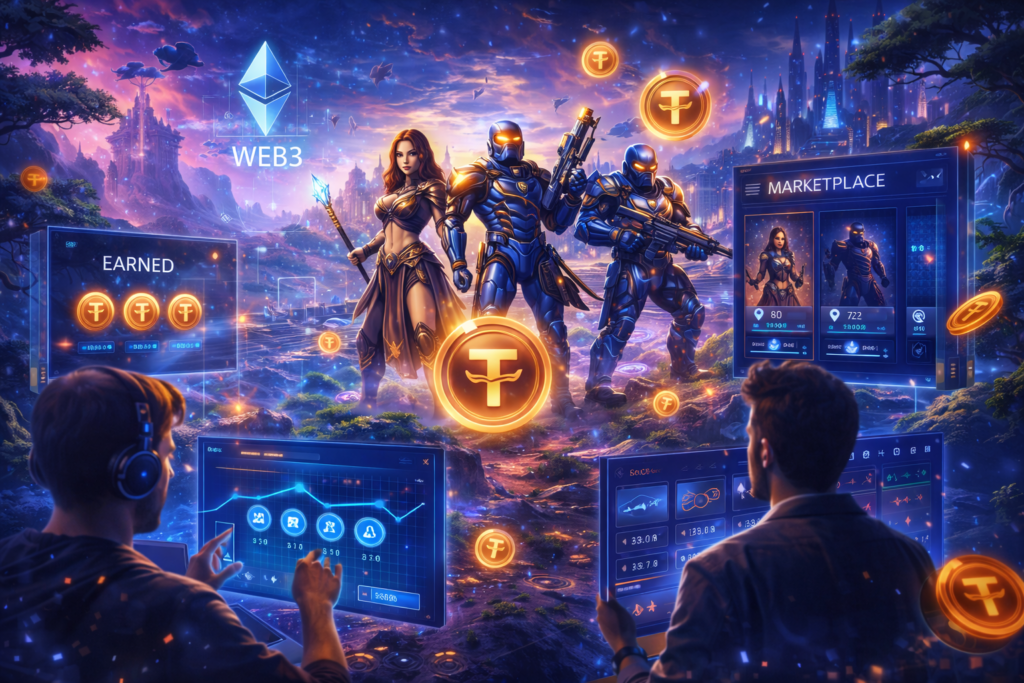
The project is expected to follow a hybrid Web2 + Web3 gaming model, focusing on:

Core Features:

  • NFT Ownership
    • Characters, skins, weapons as tradable assets
  • Play-to-Earn (P2E)
    • Earn tokens through gameplay
  • Marketplace Economy
    • Trade assets with transaction fees
  • On-chain + Off-chain Hybrid
    • Smooth gameplay + blockchain ownership

Likely Genre:

  • RPG / Strategy / Multiplayer ecosystem

Similar models:

  • Axie Infinity (P2E pioneer)
  • Skyweaver (strategy card game)
  • OpenBlox (multi-game ecosystem)

Tokenomics Deep Dive
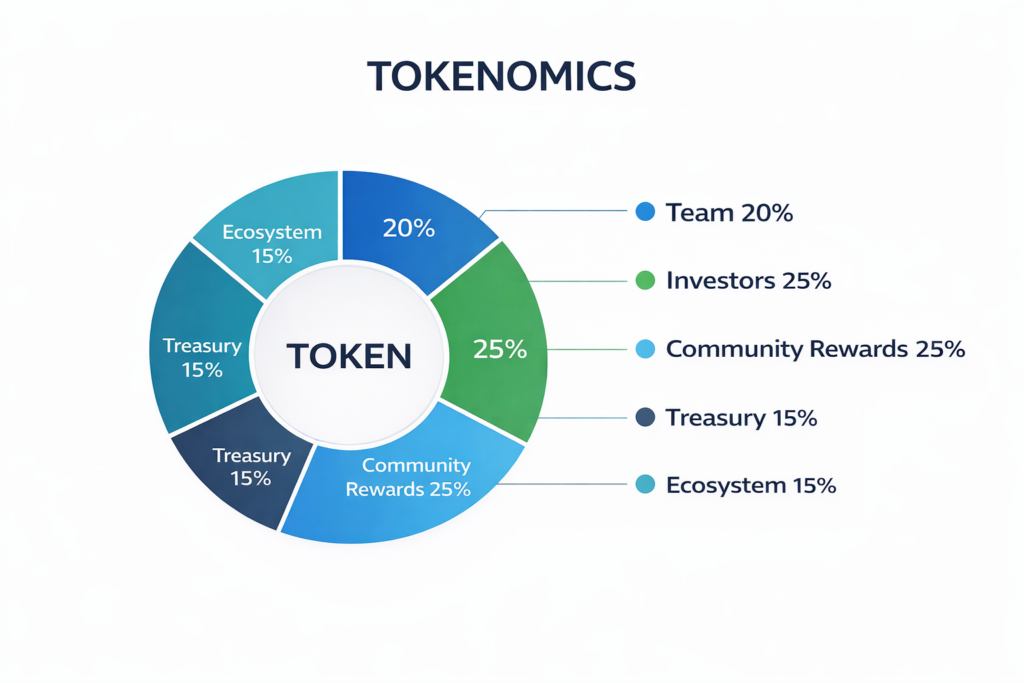
A strong token economy determines long-term success.

Example Allocation Model:

CategoryAllocation
Team10–15%
Investors15–25%
Community Rewards20%
Public Sale10–15%
Treasury15–25%
Ecosystem10–15%

Key Principles:

  • 4-year vesting for team & investors
  • Liquidity at launch (TGE)
  • Token sinks (burn, fees)
  • Reward sustainability

As highlighted in the research , poor token design has historically caused GameFi collapses—making this one of the most critical components.

Roadmap & Development Timeline
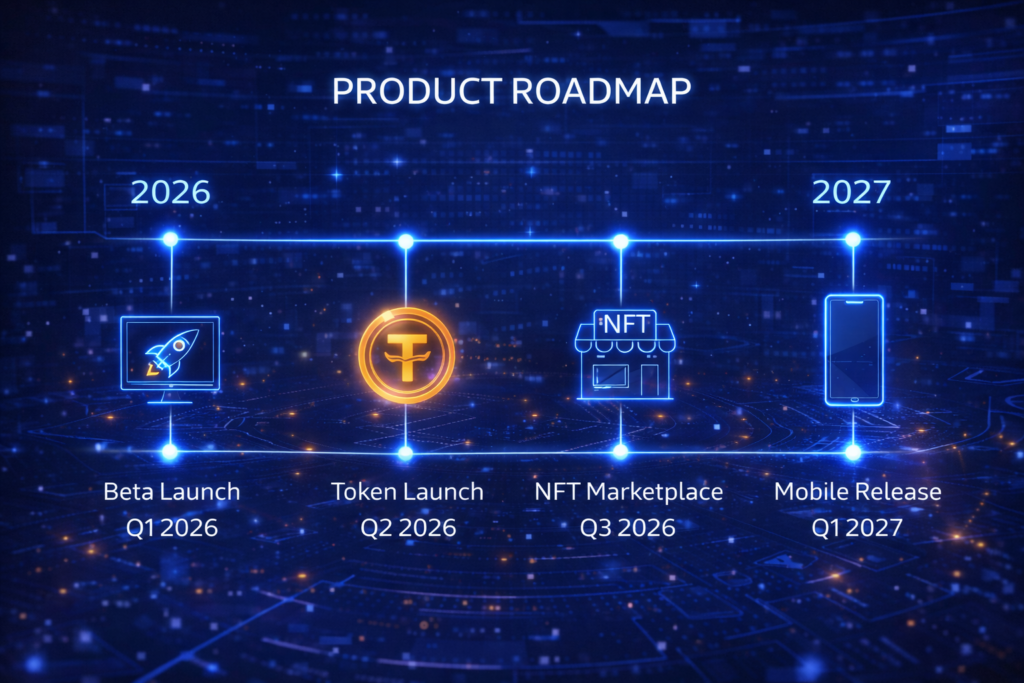
Expected roadmap:

2026

  • Q2: Closed Beta
  • Q3: Token + NFT launch
  • Q4: Public release

2027

  • Marketplace launch
  • Mobile expansion
  • Guild integrations
  • Esports ecosystem

Market Comparisons

Recent GameFi funding trends:

ProjectFunding
Azra Games$42M
Proof of Play$33M
Horizon$40M
Verse8$5M

These benchmarks show that $X million fits into a strong and growing funding trend.

User Growth & Adoption Potential

Successful Web3 games show:

  • 2M+ downloads (MoneyTime)
  • 3.5M users (Verse8)
  • 675K+ wallet users (Horizon)

Growth drivers:

  • Easy onboarding (no wallet friction)
  • Free-to-play entry
  • Strong community incentives

Risks & Challenges

1. Regulatory Risks

  • Tokens may be classified as securities
  • P2E models face scrutiny in multiple countries

2. Security Risks

  • Smart contract exploits
  • NFT marketplace hacks

Example: Gala Games lost $22M due to vulnerabilities

3. Sustainability Issues

  • Token inflation
  • Unsustainable rewards model

Monetization Strategy

Revenue streams include:

  • NFT sales (primary revenue)
  • Marketplace fees (2–5%)
  • Token transactions
  • Premium upgrades
  • Partnerships & sponsorships

Learn how to scale monetization:
SEO Automation for SaaS Growth (Internal Link)

Future Outlook

Blockchain gaming is transitioning from speculation → real gameplay value.

This project could succeed if it:

  • Prioritizes gameplay over hype
  • Builds a strong community
  • Maintains sustainable tokenomics
  • Ensures regulatory compliance

The continued funding momentum suggests that GameFi is entering its second evolution phase, focused on quality and scalability.

Final Thoughts

The “$X million blockchain game funding” is more than just a headline—it’s a signal that:

  • Web3 gaming is maturing
  • Investors are backing serious teams
  • The next generation of games will blend Web2 experience + Web3 ownership

For founders, marketers, and investors, this is the moment to position early in high-quality GameFi ecosystems.


Top 10 Cryptocurrencies to Invest in April 2026 (Beginner-Friendly Guide)
Polymarket Announces Major Trading Engine Upgrade and Native Stablecoin Launch
Bitcoin Rebounds to $67,400 After War-Driven Dip Below $65K — What’s Next for Crypto Markets?
Top NFT Marketplace Development Companies in 2026
CertiK Launches AI Auditor With 88.6% Accuracy to Strengthen Web3 Security

Sign Up For Daily Newsletter

Be keep up! Get the latest breaking news delivered straight to your inbox.
By signing up, you agree to our Terms of Use and acknowledge the data practices in our Privacy Policy. You may unsubscribe at any time.
Share This Article
Facebook Email Copy Link Print
Previous Article CertiK has officially launched its AI-powered auditing tool to the public after testing it internally for more than six months, marking a significant step forward in how security is handled across the Web3 ecosystem. The company claims its new AI Auditor achieved an 88.6% cumulative exact hit rate when tested against real-world security incidents, positioning it as one of the most advanced tools currently available for identifying vulnerabilities in blockchain applications. This development reflects a broader shift in Web3 infrastructure, where artificial intelligence is increasingly being integrated into core processes to improve efficiency, accuracy, and scalability. 👉 Stay updated with latest crypto market trends . ⚙️ Tackling One of Web3’s Biggest Problems: Security Security has long been one of the most critical challenges in the Web3 space. From smart contract exploits to protocol vulnerabilities, billions of dollars have been lost due to flaws that were often preventable. Traditional auditing methods, while effective, are time-consuming and heavily dependent on manual review, making it difficult to keep up with the rapid pace of development in decentralized ecosystems. CertiK’s AI Auditor aims to address this gap by introducing an automated layer of intelligence that can analyze smart contracts, identify potential vulnerabilities, and prioritize high-risk issues before they escalate into real-world exploits. By embedding AI directly into the auditing process, the company is attempting to shift security from a reactive model to a proactive one. 👉 If you're new, understand the foundation through what is cryptocurrency and how it works . 📊 88.6% Hit Rate Signals Practical Effectiveness One of the most notable claims made by CertiK is the tool’s performance in real-world scenarios. According to the company, the AI Auditor was tested against 35 actual Web3 security incidents from 2026 and achieved an 88.6% exact detection rate. This metric is particularly important because it reflects not just theoretical capability, but practical effectiveness in identifying vulnerabilities that have already led to losses in the ecosystem. Unlike many AI-based tools that prioritize quantity over quality, CertiK emphasizes that its system is designed to deliver “low-noise, high-signal” results. This means fewer false positives and more actionable insights, addressing a major pain point for developers and security teams who often struggle with alert fatigue caused by excessive or irrelevant warnings. 🧠 Multi-Layered AI Framework Enhances Detection Accuracy The architecture behind CertiK’s AI Auditor is built around a combination of advanced scanning and validation mechanisms. At its core is a MultiScanner framework, which runs multiple specialized scanning engines simultaneously to detect different types of vulnerabilities. This parallel approach increases coverage and reduces the likelihood of missing critical issues. Complementing this is a Multi-Stage Validator, a proprietary system that filters and refines the results generated by the scanners. Instead of simply listing all detected issues, the validator assesses their relevance, removes duplicates, and evaluates their exploitability. This layered process ensures that only meaningful findings are presented to users, significantly improving efficiency. 🔄 Security Moves Closer to Developer Workflows A key innovation in CertiK’s approach is the integration of security directly into the development lifecycle. Traditionally, security audits occur at the end of the development process, often leading to delays and last-minute fixes. CertiK is aiming to change this by embedding its AI Auditor into everyday developer workflows. The company has introduced open-source integrations for AI coding agents, enabling developers to receive real-time security feedback as they write code. This shift toward continuous security monitoring aligns with broader trends in software development, where testing and validation are increasingly integrated into the build process rather than treated as separate stages. 👉 For broader ecosystem insights, explore Ethereum price and market data , as Ethereum remains the primary platform for smart contract development. 📉 Human Auditors Still Play a Critical Role Despite the advancements in AI, CertiK has made it clear that its AI Auditor is not intended to replace human auditors. Instead, it is designed to complement their work by handling routine detection tasks and preliminary analysis. This allows human experts to focus on more complex and nuanced vulnerabilities that require deeper understanding and contextual judgment. This hybrid approach reflects a realistic view of AI’s role in Web3 security. While automation can significantly improve efficiency and coverage, human expertise remains essential for interpreting results and addressing sophisticated risks. 🌍 What This Means for the Future of Web3 Security The launch of CertiK’s AI Auditor highlights a broader trend within the Web3 industry: the increasing reliance on intelligent systems to manage complexity and scale. As decentralized applications become more sophisticated and adoption continues to grow, the demand for robust, scalable security solutions will only increase. AI-driven tools like this could play a crucial role in reducing the frequency and impact of security breaches, ultimately improving trust in blockchain technology. However, their effectiveness will depend on continuous updates, real-world testing, and integration with existing security practices. 🔮 Final Thoughts CertiK’s AI Auditor represents a significant step forward in the evolution of Web3 security, combining advanced machine learning techniques with practical auditing workflows. By achieving a high detection rate while minimizing noise, the tool addresses some of the most persistent challenges faced by developers and security teams. As the Web3 ecosystem continues to expand, innovations like this will be essential in building safer, more resilient platforms. The combination of AI-driven automation and human expertise could ultimately redefine how security is approached in decentralized systems. ⚠️ Disclaimer This article is for informational purposes only and does not constitute financial or investment advice. Always conduct your own research before interacting with blockchain applications. CertiK Launches AI Auditor With 88.6% Accuracy to Strengthen Web3 Security
Next Article XRP Price Prediction: Can XRP Really Hit $1,000 by 2030 XRP Price Prediction: Can XRP Really Hit $1,000 by 2030?

Follow Us on Socials

We use social media to react to breaking news, update supporters and share information

Twitter Telegram Linkedin
Web3 Updates logo

We influence 20 million users and is the number one business blockchain and crypto news network on the planet.

Important Links

  • News
  • Press Release
  • Sponsored Post
  • Guest Post
  • Token
  • Web3

Subscribe to our newsletter

You can be the first to find out the latest news and tips about trading, markets...

© Foxiz News Network. Ruby Design Company. All Rights Reserved.
Welcome Back!

Sign in to your account

Username or Email Address
Password

Lost your password?