







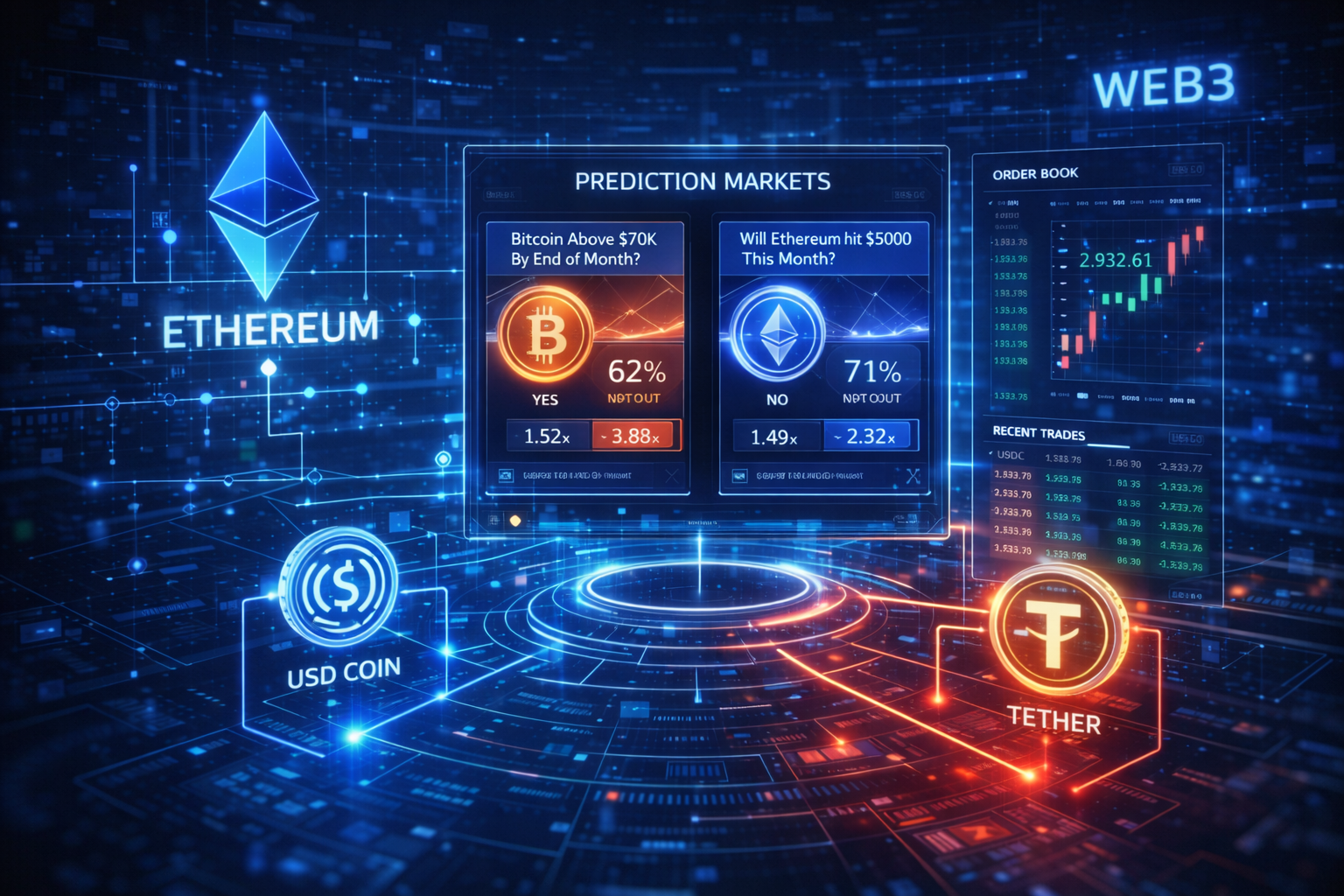
Polymarket is preparing for its most significant infrastructure upgrade since launch, unveiling plans to overhaul its trading engine and introduce a new native stablecoin infrastructure to streamline onchain prediction markets.
- A Full-Scale Infrastructure Overhaul
- Hybrid Order Book Model Enhances Trading Efficiency
- Introduction of Polymarket USD Stablecoin
- EIP-1271 Support Expands Wallet Compatibility
- Growing Competition in Prediction Markets
- Migration Impact and Temporary Disruptions
- What This Means for the Web3 Ecosystem
- Final Thoughts
The move signals a major step forward for decentralized trading platforms, as Polymarket aims to improve efficiency, reduce costs, and strengthen its position in an increasingly competitive Web3 landscape.
A Full-Scale Infrastructure Overhaul
Polymarket’s upcoming upgrade is not a minor iteration—it represents a complete rebuild of its exchange infrastructure. At the center of this transformation is the launch of Polymarket CTF Exchange V2, a redesigned smart contract system that governs how trades are executed onchain. This new version is expected to significantly enhance performance by optimizing how orders are matched and validated.
One of the most notable improvements is the introduction of a more efficient matching engine, which reduces the number of operations required to process trades. This directly translates into lower gas fees and faster execution times, addressing one of the key pain points for users interacting with blockchain-based trading platforms.
The updated system also simplifies the structure of orders, reducing unnecessary complexity in how trades are defined and processed. While these changes may seem technical, they are crucial for scaling the platform and enabling smoother interaction for both retail users and developers building on top of Polymarket.
Modern decentralized exchanges are increasingly integrating AI-powered smart contract auditing and automated infrastructure monitoring to improve operational resilience.
Hybrid Order Book Model Enhances Trading Efficiency
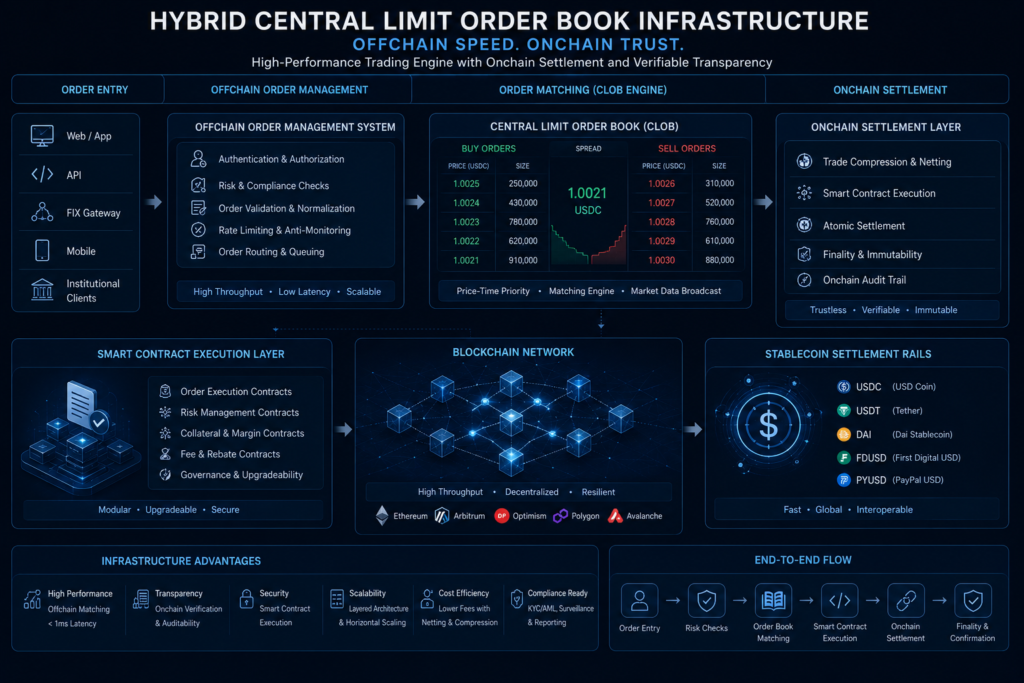
A major highlight of the upgrade is the introduction of a refined Central Limit Order Book (CLOB) model. Unlike purely onchain or offchain systems, Polymarket’s approach combines elements of both, allowing for efficient order management while maintaining the transparency and security of blockchain execution.
This hybrid model is designed to strike a balance between speed and decentralization. By handling certain processes offchain while settling trades onchain, Polymarket can offer a trading experience that feels closer to centralized exchanges while still preserving the benefits of Web3 infrastructure.
However, developers and advanced users will need to adapt to these changes. Existing integrations, bots, and APIs will require updates, as the new system introduces modified data structures and order formats.
Introduction of Polymarket USD Stablecoin
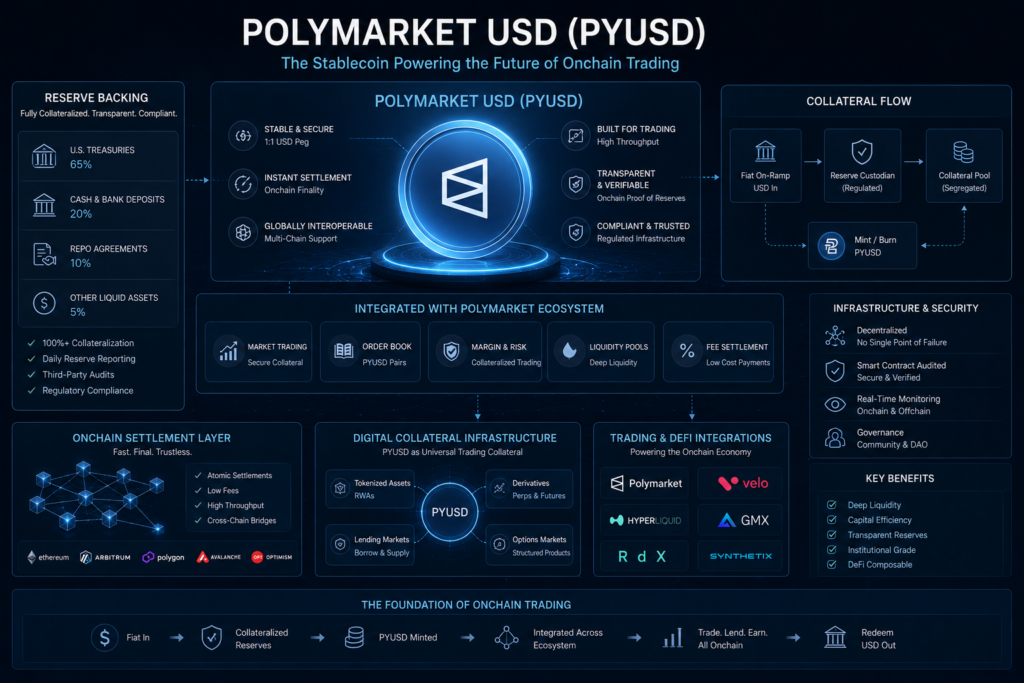
Alongside the trading engine upgrade, Polymarket is introducing a new native stablecoin, Polymarket USD, which will serve as the platform’s primary collateral asset. This marks a strategic shift away from USDC.e, a bridged version of USDC previously used on the platform.
The new stablecoin will be backed 1:1 by USD Coin, ensuring price stability while improving reliability and user confidence. The transition addresses concerns raised by users regarding the risks associated with bridged assets, which can introduce additional layers of complexity and potential vulnerabilities.
Track stablecoin market trends alongside Ethereum price and market data, as Ethereum remains the foundation for many Web3 applications.
For most users, the migration process is expected to be seamless, with the platform automatically handling token conversions through its interface. However, advanced users may need to manually interact with smart contracts to wrap their assets into the new token format.
The shift away from bridged assets also reflects growing industry concerns around cross-chain bridge vulnerabilities and infrastructure security.
EIP-1271 Support Expands Wallet Compatibility
Another significant upgrade is the integration of EIP-1271, an Ethereum standard that enables smart contract wallets to sign transactions. This development is particularly important for users operating multi-signature wallets, such as those used by DAOs and institutional participants.
By supporting EIP-1271, Polymarket is making it easier for these users to interact directly with the platform without relying on externally owned accounts. This not only improves accessibility but also aligns with the broader trend of increasing institutional participation in decentralized finance.
Growing Competition in Prediction Markets
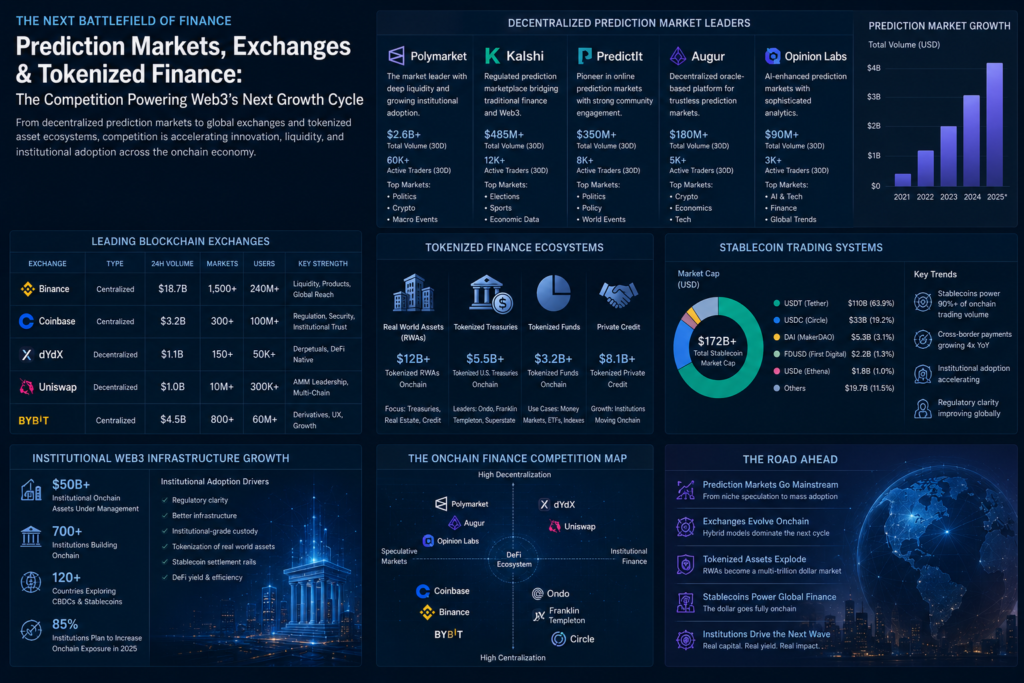
Polymarket’s upgrade comes at a time when competition in the prediction market space is intensifying. Rival platforms, along with major crypto exchanges and even traditional gaming companies, are exploring similar offerings, pushing innovation across the sector.
The need to differentiate through better infrastructure, lower costs, and improved user experience has become critical. With this upgrade, Polymarket is positioning itself to maintain its leadership in the fully onchain prediction market category while preparing for the next phase of growth.
As institutional participation increases, governance standards and operational transparency are becoming increasingly important across decentralized trading platforms.
Migration Impact and Temporary Disruptions
As with any major system upgrade, the transition to V2 will involve temporary disruptions. Polymarket has confirmed that existing order books will be cleared during the migration process, and users may experience a short maintenance window.
While this may cause short-term inconvenience, such upgrades are often necessary to enable long-term scalability and performance improvements. Users are expected to receive advance notice before the migration begins.
What This Means for the Web3 Ecosystem
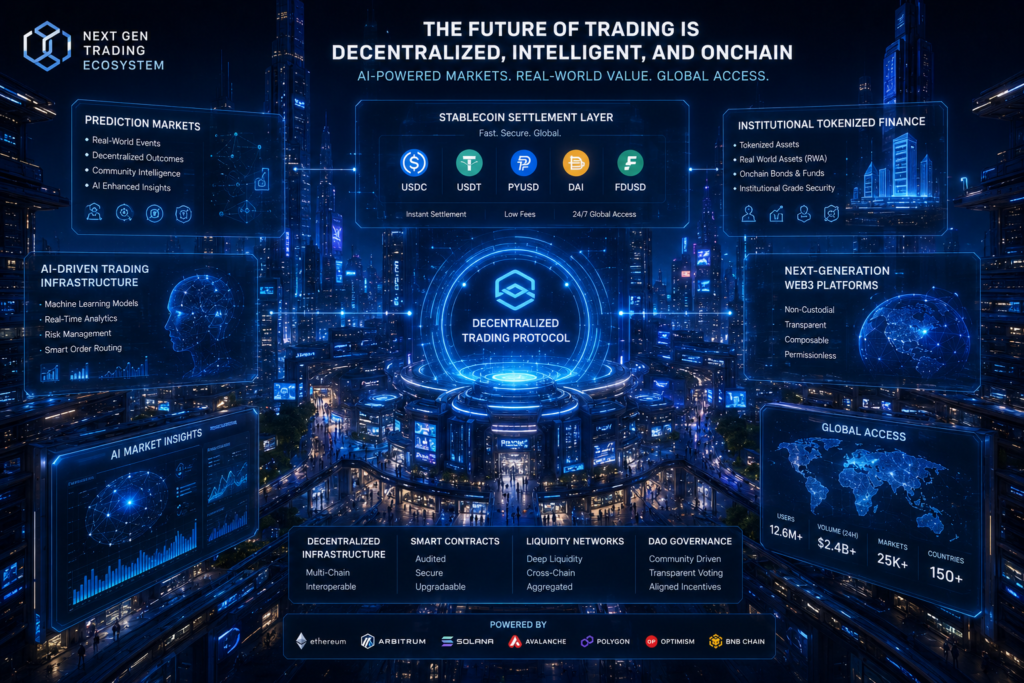
Polymarket’s overhaul reflects a broader trend within Web3: platforms are moving beyond experimentation and toward production-grade infrastructure. As user demand grows and competition intensifies, projects must continuously evolve to deliver better performance, security, and usability.
This upgrade also highlights the increasing importance of stablecoins and efficient trading systems in decentralized ecosystems. As platforms refine their infrastructure, the gap between centralized and decentralized exchanges continues to narrow.
For broader market context, explore Bitcoin price trends and altcoin market crash analysis to understand how infrastructure developments impact market behavior.
Final Thoughts
Polymarket’s upcoming upgrade represents a major milestone not just for the platform, but for the broader prediction market sector. By rebuilding its trading engine, introducing a native stablecoin, and enhancing wallet compatibility, the platform is taking a significant step toward becoming a more efficient and scalable trading environment.
As Web3 continues to mature, such infrastructure upgrades will play a key role in shaping the next generation of decentralized applications. The success of this transition could set a new benchmark for how onchain trading platforms operate in the future.
The evolution of prediction markets mirrors broader infrastructure trends happening across NFT infrastructure systems and decentralized digital ownership ecosystems.
Disclaimer
This article is for informational purposes only and does not constitute financial advice. Cryptocurrency and digital asset markets carry significant risk. Always conduct your own research before making decisions.